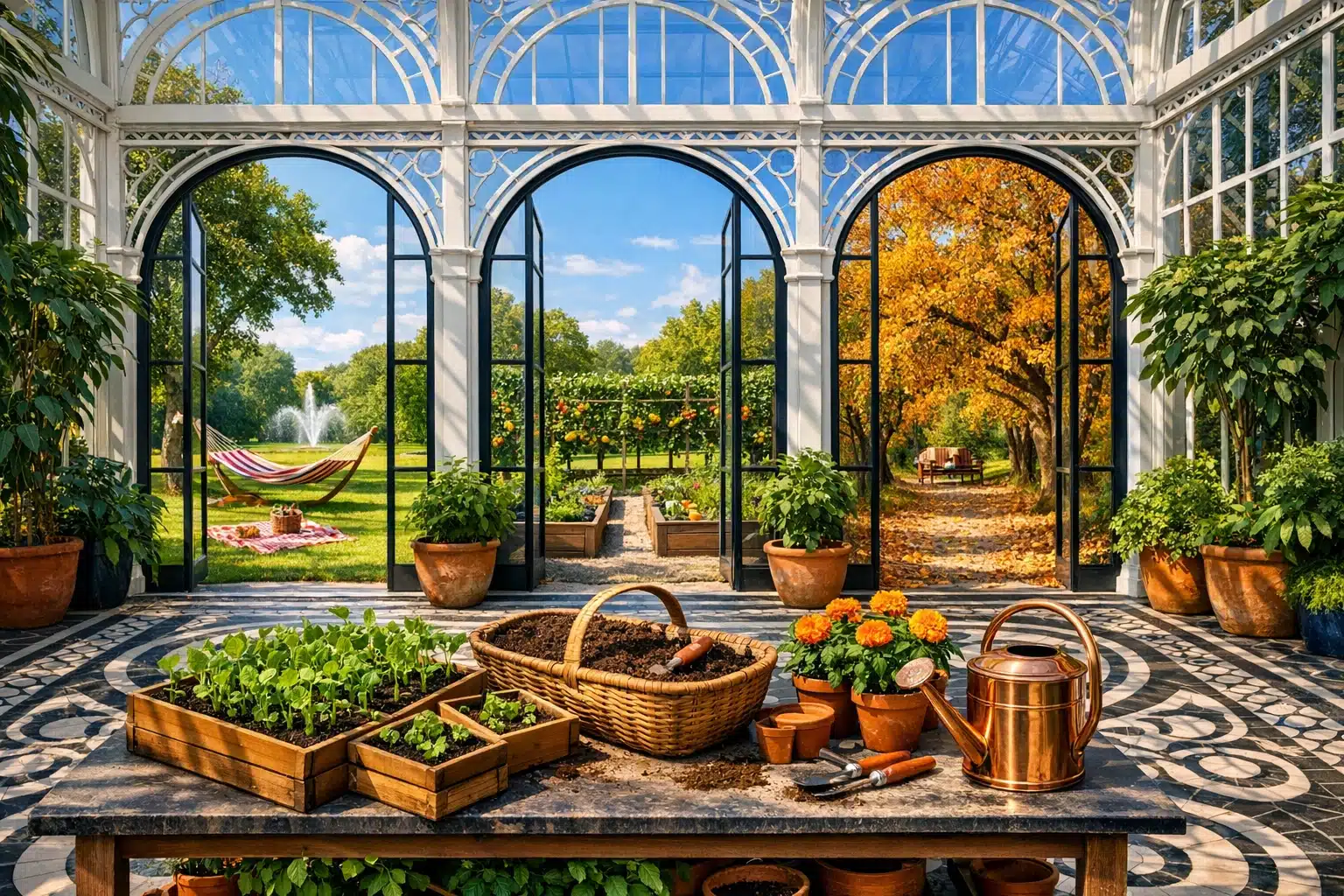
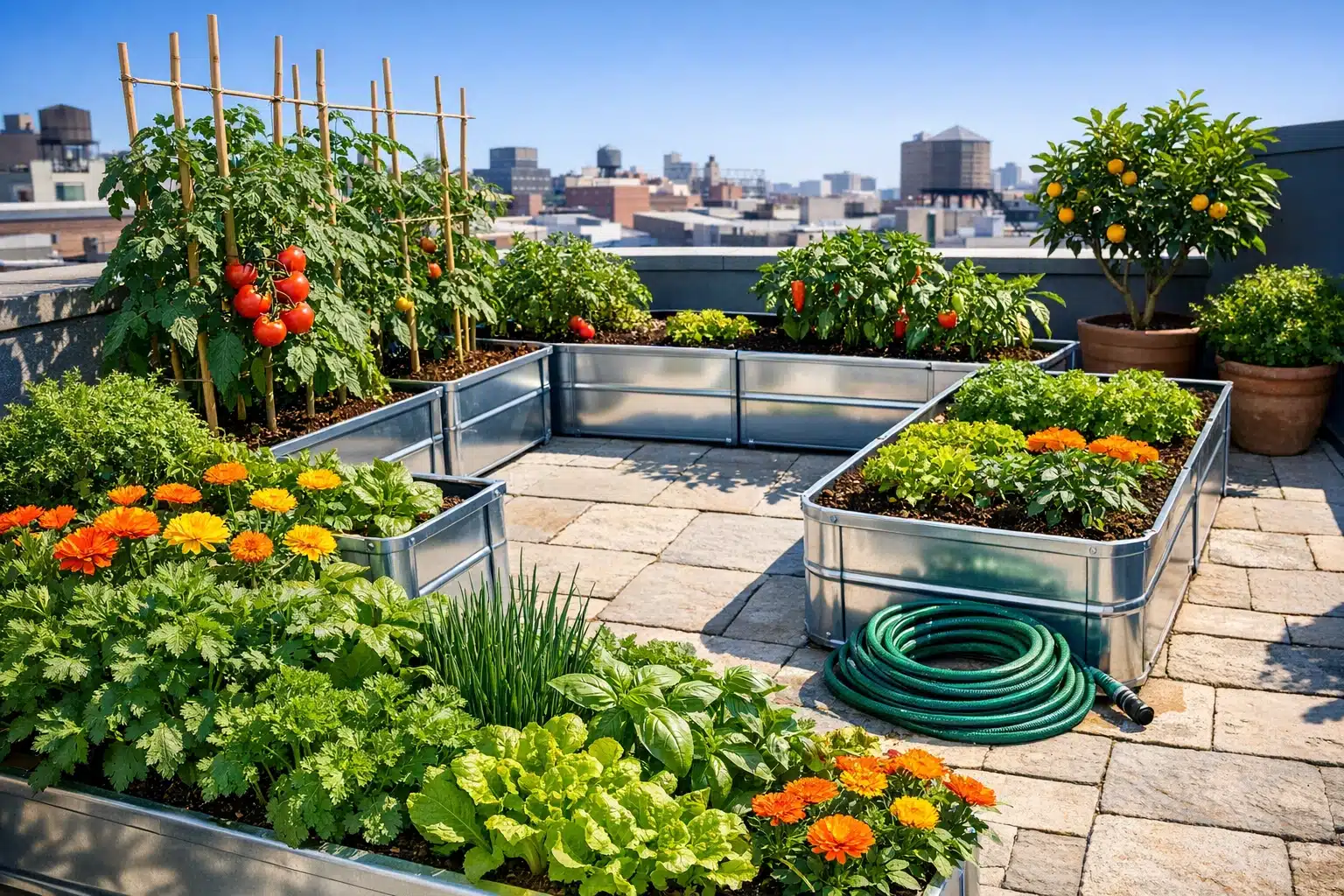
 Artificially generated image
 Gardening Tips for Beginners: Raised Garden Bed Ideas and Easy Maintenance Tips
Getting Started: A Simple Beginner’s Roadmap
Starting a garden can feel a little like being handed a packet of seeds and a thousand opinions at the same time, yet the basics are far simpler than they seem. With a small plan, a few reliable tools, and realistic expectations, beginners can grow food, flowers, and confidence in the same season. Raised beds make setup easier, while steady maintenance keeps problems from snowballing. This guide walks through the choices that matter most so your first garden feels manageable, productive, and genuinely fun.
The importance of learning good gardening habits early is easy to underestimate. A beginner who places a bed in the wrong spot, waters on impulse, or plants too much at once may assume failure means they lack talent. In reality, gardening is usually a matter of matching plants to conditions. Most vegetables need at least 6 to 8 hours of sunlight, reasonably loose soil, and consistent moisture. When those needs are met, the results improve dramatically. Studies and extension advice from many agricultural programs regularly point to the same pattern: site selection and watering habits influence success more than expensive tools or decorative extras.
This article follows a practical outline so new gardeners can build skills in an orderly way:
• first, how to think like a beginner without wasting time or money
• next, how to plan a simple space and choose easy plants
• then, how raised garden beds compare with in-ground plots and what designs suit different homes
• finally, how maintenance routines prevent weeds, pests, and burnout
A garden is not a test you pass once. It is closer to a quiet conversation between weather, soil, and attention. Some lessons arrive as bright green basil, some as a tomato plant that sulks for two weeks before finding its rhythm. Beginners do best when they start small enough to notice details. One bed, a handful of crops, and a weekly check-in can teach more than a large, ambitious layout that becomes hard to manage. The goal is not perfection. The goal is to make next month easier than this week.
That mindset matters because gardening rewards observation. If leaves fade, you ask whether the plant needs food, more light, or better drainage. If seedlings disappear, you look for slugs, birds, or rough weather. Little clues add up. Once you learn to read them, the garden starts feeling less mysterious and more welcoming. That is the beginner’s real milestone: not growing everything at once, but understanding why one simple change can help a plant thrive.
Planning Your First Garden Space and Choosing Easy Plants
A good beginner garden is shaped less by dreams of abundance and more by the ordinary logic of everyday use. Before buying seeds, stand in the yard, balcony, or patio and watch how sunlight moves across it. Most fruiting crops such as tomatoes, peppers, cucumbers, and beans perform best with full sun, while leafy greens and many herbs can tolerate a little afternoon shade. If your space receives only partial sun, that is not a reason to quit; it simply changes the plant list. Lettuce, parsley, spinach, mint, and chives often cope better with gentler light than heat-loving vegetables do.
Location also affects how faithfully you care for the garden. A bed tucked far from the house may look charming, but a plot near the kitchen door or along a daily walking route often gets watered, weeded, and harvested more consistently. Access to water matters just as much. Carrying heavy cans across a yard loses its romance quickly in midsummer. Good drainage is another key factor. If rainwater lingers for hours, roots can suffocate in compacted ground. In that case, raised beds or large containers usually offer a better start than forcing plants into unsuitable soil.
When choosing what to grow, beginners often do well with crops that are fast, forgiving, and clearly rewarding. A smart starter list might include:
• leaf lettuce, which grows quickly and can be harvested more than once
• radishes, which mature in about a month under good conditions
• bush beans, which are less demanding than pole varieties
• basil, parsley, and chives for regular kitchen use
• marigolds or calendula for color and pollinator interest
It also helps to compare seeds with seedlings. Seeds are cheaper and offer more variety, but they require patience and careful early watering. Seedlings cost more per plant, yet they shorten the wait and reduce uncertainty. Many beginners like a mixed approach: direct sow quick crops such as beans and radishes, then buy sturdy starts for tomatoes, peppers, and herbs. That balance keeps cost reasonable while making early success more likely.
Finally, size the garden to your schedule rather than your enthusiasm. A single 4 by 8 foot bed can produce a surprising amount of food if planted thoughtfully. Overcrowding leads to poor airflow, more disease pressure, and a tangle that makes harvesting unpleasant. Give each plant room, label what you sow, and group crops by similar needs. Cool-season greens can share space, while thirsty summer vegetables may need their own zone. A well-planned small garden usually outperforms a larger one that never receives consistent care.
Raised Garden Bed Ideas for Different Yards, Budgets, and Goals
Raised garden beds are popular for good reason. They improve drainage, let you fill the growing area with better soil, and create a clear border that keeps foot traffic away from plant roots. In spring, raised soil often warms faster than dense ground, which can help early planting in cooler climates. For beginners, one of the biggest advantages is psychological as much as practical: a framed bed feels finite. Instead of battling an open stretch of earth, you are working within a manageable space that invites order.
The classic beginner design is a rectangular bed, usually about 3 to 4 feet wide. That width allows most people to reach the center from either side without stepping on the soil. Length is flexible, but 6 to 8 feet is common because it offers useful growing space without becoming awkward. A depth of 10 to 12 inches works well for many vegetables and herbs, while root crops may benefit from deeper soil. If you want a bed that is easier on the back and knees, an elevated version with legs or a taller frame can reduce bending, though it may dry out faster in hot weather.
Material choice affects both cost and lifespan. Cedar is widely favored because it resists rot and can last many years, though it is usually more expensive than pine. Untreated pine is budget-friendly but tends to break down sooner. Galvanized metal beds have a clean, modern look and long service life, yet they may cost more upfront and can heat up quickly in intense sun. Concrete blocks are durable and versatile, especially for permanent layouts, but they are heavy and less flexible once installed. Each option has trade-offs, so the best choice depends on budget, climate, and whether you want a temporary or long-term setup.
Here are several raised bed ideas that suit different needs:
• a simple 4 by 8 foot wooden bed for mixed vegetables
• a narrow side-yard bed for herbs, salad greens, and cut flowers
• a U-shaped arrangement for small patios or compact urban spaces
• a tall accessible bed for gardeners who prefer less kneeling
• a decorative front-yard bed that combines vegetables with flowering annuals
Design should also reflect how you move through the space. Leave paths wide enough for a wheelbarrow or watering can, and consider placing trellises on the north side of beds so taller plants do not shade shorter crops. If your yard is uneven, tiered beds can turn a slope into useful growing zones while reducing erosion. In very poor soil, raised beds are especially helpful because they allow an immediate fresh start. Think of them as custom-built growing rooms without a roof: you control the floor, the layout, and much of the plant comfort from day one.
Garden Maintenance Tips That Save Time and Prevent Problems
Maintenance is where many gardens either settle into a healthy rhythm or slide into avoidable stress. The good news is that successful upkeep rarely depends on heroic effort. It depends on steady attention. Watering is the first major habit to master. Most gardens do better with deep, less frequent watering than with shallow daily sprinkling, because deep watering encourages roots to grow downward. A common benchmark is about 1 inch of water per week, though sandy soil, containers, and heat waves often require more. Morning watering is usually best because foliage dries faster and evaporation is lower than in midday heat.
Mulch is one of the simplest time-saving tools in gardening. A 2 to 3 inch layer of straw, shredded leaves, or untreated wood mulch helps hold moisture, suppress weeds, and moderate soil temperature. Without mulch, water disappears faster and weed seeds have a clearer invitation to sprout. Weeding itself is easiest when done early. Pulling ten tiny weeds in five minutes is far easier than wrestling with deep-rooted intruders after two neglected weeks. The same principle applies to pest problems. If you inspect plants often, you can usually address trouble while it is still small.
A realistic weekly routine might look like this:
• check soil moisture with a finger before watering
• harvest ripe produce so plants keep producing
• remove yellowing leaves or spent flowers where appropriate
• look under leaves for chewing damage, eggs, or mildew
• refill mulch where bare soil appears
• tie tall plants to supports before they flop over
Feeding the garden should be deliberate rather than constant. Compost improves soil structure and adds slow, steady nutrition, which is why many gardeners treat it as the foundation of fertility. Fast-growing crops such as tomatoes, squash, and cucumbers may also benefit from additional feeding during the season, but overfertilizing can lead to lush leaves and fewer fruits. Read labels carefully and avoid the common beginner mistake of assuming more product equals better results. Plants are not impressed by enthusiasm poured from a bag.
Seasonal timing matters too. Deadhead flowering plants if you want longer bloom, prune only when needed and with a purpose, and remove diseased material instead of composting it if local guidance advises caution. At the end of the season, clear debris, add compost, and note what worked in each bed. Maintenance is less glamorous than planting day, but it is what turns a hopeful layout into a living, productive system. A cared-for garden does not ask for perfection. It asks for return visits.
Conclusion for New Gardeners: Build Skills One Season at a Time
If you are new to gardening, the most useful takeaway is that success usually comes from a handful of repeatable decisions rather than from expert-level knowledge. Choose a site with enough sun, keep the scale manageable, grow plants that suit your conditions, and give them regular care. Raised beds can simplify the learning process by improving soil control and reducing some of the uncertainty that comes with difficult ground. Maintenance then becomes a series of calm, understandable tasks instead of a rescue mission after weeks of neglect.
For many beginners, the temptation is to treat the first season like a grand debut. It is far better to treat it like a first conversation. You are learning what dries out quickly, which corner gets surprising shade, how slugs behave after rain, and which herbs you actually use in your cooking. Those observations are not minor details; they are the foundation of better results next year. Even a modest harvest teaches timing, spacing, and patience in a way no seed packet can fully explain.
A practical next step is to begin with a short starter plan:
• pick one small bed or a few large containers
• grow three to five reliable crops rather than ten unfamiliar ones
• improve soil before planting instead of correcting problems later
• keep a simple notebook with dates, weather notes, and plant performance
• set aside one maintenance session each week
This approach is especially helpful for busy people, renters, families, and anyone who wants useful results without turning gardening into a full-time project. A compact herb bed beside the door, a neat raised bed of salad greens, or a small tomato patch can deliver steady rewards while keeping the workload realistic. Once those systems feel natural, expansion becomes a choice instead of a burden. Confidence in gardening grows much like the garden itself: gradually, visibly, and with the help of repeated care.
So, for the beginner standing at the edge of a blank patch of soil, here is the encouraging truth: you do not need to know everything before you start. You need a sensible plan, a willingness to notice what happens, and enough consistency to support the life you have planted. Build one bed, tend it well, and let the season teach you the rest. That is how gardens become sustainable, enjoyable, and truly your own.