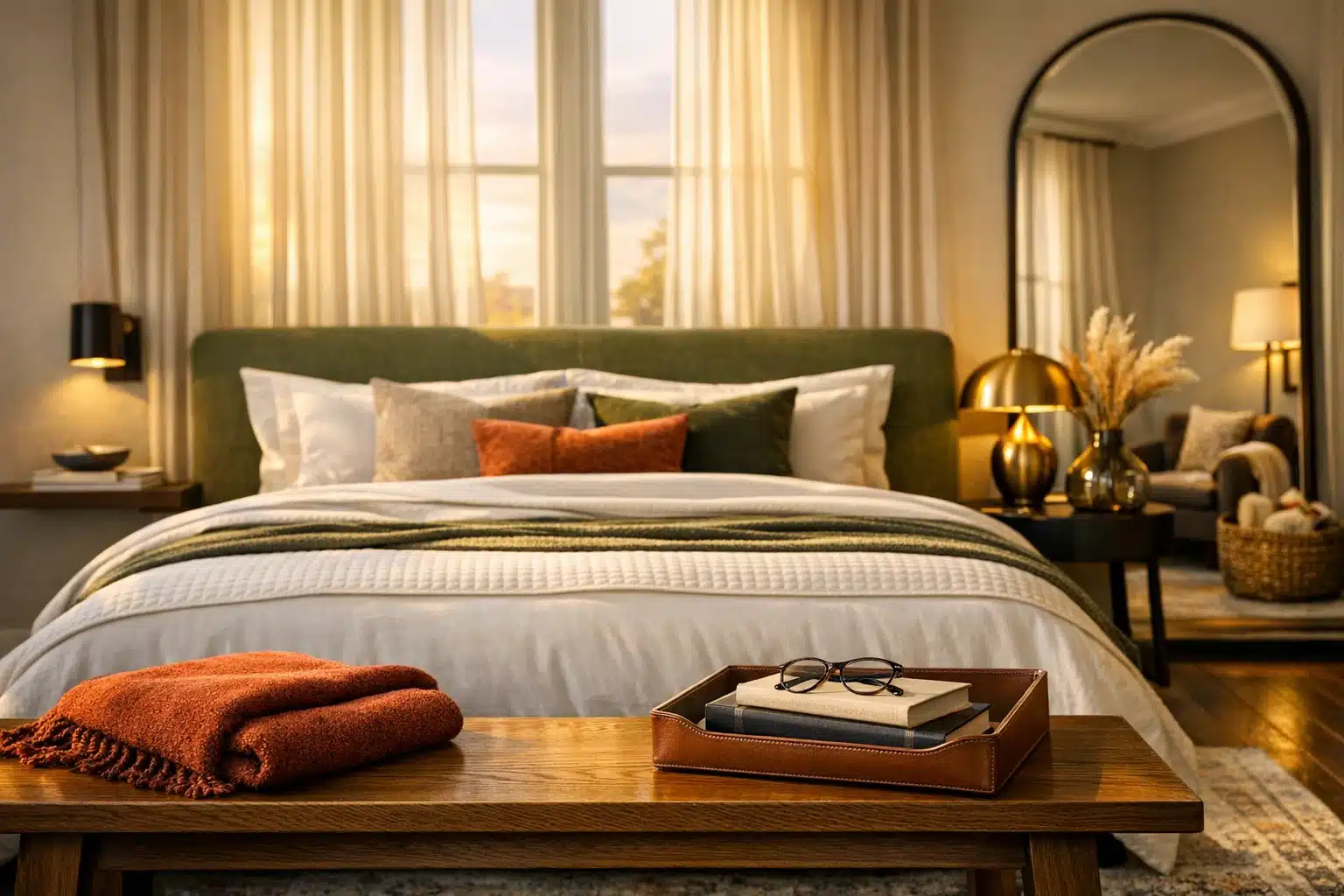
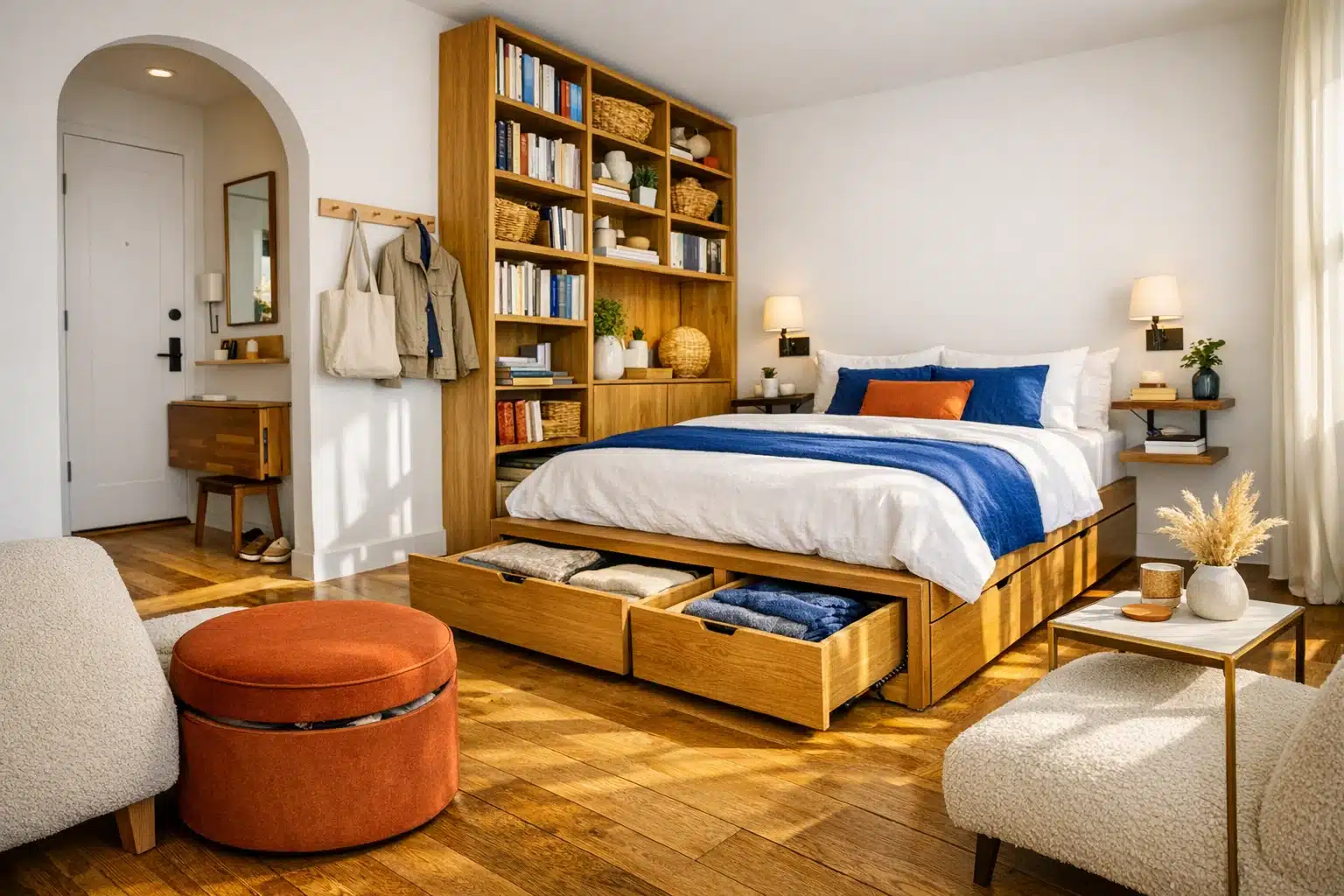
 Artificially generated image
 Home Organization Ideas: Closet Organization Tips and Small Space Storage Solutions
When shelves overflow and closet doors start pushing back, the problem is rarely a lack of space alone; it is usually a lack of structure. Good organization turns hidden inches into useful storage, shortens the morning scramble, and helps a home feel more breathable even when square footage is limited. Whether you live in a studio apartment or a busy family house, smart systems can replace clutter with flow. The key is choosing solutions that match how you actually live, not how a catalog says you should.
Outline:
1. Build a foundation with decluttering, zoning, and realistic storage planning.
2. Improve closet function with smarter layouts, better visibility, and category-based systems.
3. Use vertical, hidden, and multi-purpose storage to make small rooms work harder.
4. Organize kitchens, bathrooms, and utility areas with room-specific tools and better access.
5. Maintain the results with habits, seasonal resets, and a long-term strategy for real homes.
1. Start with a Home Organization System Before You Buy a Single Bin
One of the most useful home organization ideas is also the least glamorous: pause before buying containers. Storage products can help, but they are not the starting line. A beautifully labeled basket full of random objects is still random. The better sequence is edit first, group second, measure third, and shop last. This order matters because it prevents a common problem in organized-looking homes: pretty supplies working against real habits. If your family drops keys near the door, mail on the counter, and shoes in the hallway, the solution is not to force everything into faraway cabinets. It is to create landing zones where those routines already happen.
Think of each room as a collection of zones rather than one broad area. A living room may include a reading zone, a media zone, and a charging zone. A bedroom may serve as a sleeping area, dressing area, and sometimes even a workspace. When you assign a clear role to each part of a room, the clutter begins to reveal a pattern. Blankets belong near the sofa, not in a distant closet. Chargers belong where devices are used, not buried in a miscellaneous drawer that behaves like a tiny black hole. Clutter loves unclaimed corners; zones take those corners back.
A practical way to build this system is to ask a few questions before reorganizing:
• What items are used daily, weekly, or rarely?
• Which things need to stay visible to be remembered?
• What belongs near the point of use?
• Which objects deserve closed storage because they look messy fast?
These questions help you compare open and closed storage. Open shelves are excellent for books, baskets, and attractive essentials because they provide immediate access. Closed cabinets reduce visual noise, which is especially valuable in small homes where every surface is seen all at once. If a shelf is deep and dark, loose items disappear into the back. In that case, bins with labels or pull-out trays often work better than stacking.
Measurements matter more than style. Before buying organizers, measure shelf depth, drawer height, wall width, and door clearance. A container that wastes two inches on every side may not look like a problem in the store, but across several shelves those inches add up quickly. Adjustable shelving usually outperforms fixed shelving because households change over time. Children grow, hobbies shift, and seasonal items move in waves. The strongest systems are flexible. Instead of aiming for magazine-perfect order, aim for friction-free use. If putting something away takes too many steps, the object will drift back to the nearest flat surface, and the room will slowly return to its old habits.
2. Closet Organization Tips That Make Every Inch Earn Its Keep
A closet should behave less like a mystery cave and more like a quiet assistant. The best closet organization tips focus on visibility, access, and layout rather than sheer storage volume. Start by removing everything and grouping it into categories such as work clothes, casual wear, shoes, bags, outerwear, and special-occasion pieces. This reveals how your wardrobe actually functions. Many people discover that they own far more hanging items than folded ones, or the opposite. Once the categories are visible, the closet can be arranged around use instead of guesswork.
Hanging space is often the biggest opportunity. A single long rod is useful for dresses and coats, but it wastes vertical room when most of the wardrobe consists of shirts, skirts, or pants. Many double-hang setups create roughly two tiers of about 40 inches each, effectively turning one tall section into two working levels. That change alone can dramatically increase capacity. Shelves are ideal for sweaters, denim, and handbags, but stacked piles have a habit of collapsing by midweek. Shelf dividers keep folded items upright, while baskets are better for soft accessories like scarves or workout gear. Drawers hide visual clutter well, yet they work best when small categories are separated. Without dividers, a drawer turns into a fabric avalanche.
Hangers deserve more attention than they usually get. Matching slim hangers save space compared with bulky mixed styles, and they make garments sit at a consistent height. Consistency matters because it improves scanning speed. If you can see everything in a single glance, you are less likely to buy duplicates or forget what you already own. Shoes also need a strategy. Floor piles consume space quickly and make cleaning harder. Depending on the closet shape, you can compare a few approaches:
• Vertical shoe racks work well in narrow closets.
• Clear boxes protect delicate pairs and make off-season storage easier.
• Low shelves are faster for everyday footwear because there is no lid or stacking involved.
For accessories, small hooks on the closet wall or door can store belts, caps, and lightweight bags without eating shelf space.
Closet organization also improves when placement follows frequency. Items used every day should sit between shoulder and knee height, which is the easiest reach zone. Seasonal coats, travel bags, or sentimental pieces can move upward to top shelves or downward into labeled bins. If you share a closet, create defined territories instead of blending categories together. Even a simple split by rod, shelf, or drawer can reduce morning confusion. Finally, leave a little breathing room. A completely packed closet looks efficient, but it creates friction when you try to remove one item without disturbing five others. The goal is not to fit everything at any cost. The goal is to build a wardrobe space that lets you dress quickly, store neatly, and see what you own without a daily excavation.
3. Small Space Storage Ideas for Rooms That Need to Do More with Less
Small space storage ideas work best when they use three dimensions instead of one. Most clutter battles happen because people store almost everything at floor level or on counters, while the wall height above them stays largely untouched. Vertical storage changes that equation. Tall bookcases, wall-mounted shelves, peg rails, and over-door organizers pull everyday items upward and free the room below. In a compact apartment, even a narrow shelving unit can become a powerful tool if it captures airspace that was previously decorative but unused. A room may be small, yet its walls often offer more potential than its floor plan suggests.
Multi-purpose furniture is another major advantage in tight homes. A storage ottoman can hold blankets, games, or cords while serving as seating. A bed with drawers or enough clearance for rolling bins can absorb off-season clothes, extra linens, or shoes that would otherwise consume closet space. Some under-bed systems add several inches of usable depth, which can turn dead space into a hidden storage zone. Nesting tables, drop-leaf desks, and benches with lift-up lids also outperform single-purpose pieces because they keep function flexible. In small rooms, every object should answer a simple question: does it earn the square footage it occupies?
There is also a useful comparison between open storage and concealed storage in compact interiors. Open shelving makes a room feel accessible, but only when the contents are curated. Too many visible items can make a tiny room feel busier than it is. Closed storage, by contrast, creates a calmer visual field and is often better for miscellaneous essentials, cleaning supplies, paperwork, or children’s toys. A balanced approach usually works best. For example:
• Keep daily items in easy open access.
• Hide irregular or unattractive items behind doors, in baskets, or inside furniture.
• Reserve the highest shelves for things used less often, such as guest linens or holiday décor.
This mix helps the room feel intentional rather than overcrowded.
Entryways, corners, and the backs of doors are especially valuable in modest homes. A slim shoe cabinet near the front door can reclaim hallway space. Hooks can replace bulky furniture where width is limited. Corner shelves can hold plants, books, or baskets without blocking pathways. In bedrooms, wall-mounted night shelves may work better than full bedside tables. In kitchens, magnetic strips and rail systems can keep utensils, spices, or tools accessible without consuming drawer space. Small homes often reward precision more than abundance. Instead of adding more furniture, choose narrower, taller, lighter pieces with defined jobs. The most successful small-space storage does not simply hide belongings; it allows the room to remain usable, breathable, and pleasant while supporting ordinary life.
4. Organizing High-Traffic Areas: Kitchen, Bathroom, Laundry, and Everyday Drop Zones
Some parts of a home generate clutter faster than others because they are used repeatedly throughout the day. Kitchens, bathrooms, laundry corners, and entry drop zones collect tools, products, paper, and loose odds and ends at a surprising speed. These spaces benefit from room-specific organization rather than generic advice. A one-size-fits-all container system rarely performs well across such different tasks. The kitchen, for instance, is about access, workflow, and visibility. The bathroom is more concerned with categories, moisture, and compact storage. The entryway needs speed above all else. Good organization respects those differences.
In the kitchen, store by activity instead of item type alone. Prep tools should live near the main work surface, cooking utensils near the stove, and food storage containers near the area where leftovers are packed. Deep cabinets are easier to use with pull-out bins or turntables because items do not vanish into the back row. Drawer organizers create order for utensils, but they are most effective when compartments match what you own rather than what came in the package. A pantry also benefits from zones such as breakfast, snacks, baking, canned goods, and backstock. Clear containers can help with dry goods, though original packaging is sometimes better for products with cooking instructions. The smartest system is not the prettiest one; it is the one that reduces rummaging.
Bathrooms need a different strategy because they contain many small items, frequent duplicates, and limited surfaces. Under-sink areas become more useful with stackable drawers, narrow bins, or tension rods that allow spray bottles to hang instead of puddling at the bottom. Daily-use products should stay easiest to reach, while spare shampoo, soap, or toothpaste can move higher or farther back. Medicine cabinets work best when sorted by purpose rather than brand. Try grouping items like this:
• Morning routine
• Evening routine
• First aid
• Travel and backups
This approach saves time because you search by need, not by container.
Laundry areas and entry zones deserve equal attention. A small laundry corner can function far better with wall shelves for detergent, hooks for bags, and a hamper system that separates lights, darks, or delicates. Near the door, even a few inches of planning can prevent daily scatter. A tray for keys, a bin for mail, a shelf for sunglasses, and a hook rail for bags form a compact command center. If paper piles up, introduce one review spot and empty it regularly rather than letting every horizontal surface become a sorting station. High-traffic areas run smoothly when they support quick decisions. In these rooms, the best storage solution is the one that makes the next action obvious.
5. Conclusion: Keeping an Organized Home Practical, Flexible, and Easy to Maintain
For most people, the real challenge is not organizing once; it is keeping the space workable when life gets busy. That is why the best home organization ideas are not rigid rules but repeatable habits. A home that stays tidy usually relies on short maintenance cycles instead of dramatic rescue sessions. Ten minutes at the end of the day can do more than a full weekend of frustrated sorting once clutter has spread everywhere. Returning items to their zones, clearing one surface, and resetting one problem area at a time creates momentum without turning organization into a second job.
A simple maintenance rhythm can make a noticeable difference:
• Daily: reset the entry area, kitchen counter, and one high-traffic surface.
• Weekly: put away out-of-place clothing, sort mail, and empty donation bags.
• Monthly: review one drawer, one shelf, or one cabinet.
• Seasonally: rotate clothing, edit household supplies, and remove things no longer serving a purpose.
This schedule works because it breaks the task into manageable pieces. Small homes especially benefit from regular editing. When space is limited, unused items create a larger burden because they compete directly with daily essentials.
It also helps to accept that perfect order is not the goal. Families with children, renters with minimal built-ins, students in shared apartments, and professionals working from home all need systems that bend without breaking. Baskets for fast cleanup, labels for shared spaces, and flexible containers for changing needs are often more realistic than complex custom installations. An organized home should feel supportive, not strict. It should help you find what you need, move through your routine with less friction, and enjoy your rooms without constant visual noise.
If you are starting from scratch, begin with one closet, one drawer, or one corner that affects your day the most. Success in a small area builds confidence and reveals what kind of storage style truly suits you. Some people thrive with visible systems; others need closed storage to feel calm. Some homes need furniture that hides more; others need fewer possessions in better categories. The useful thread running through every solution is intention. When your storage reflects your habits, even a modest home can feel spacious, capable, and welcoming. That is the quiet reward of organization: not perfection, but ease.